
I'm doing the math again, how many usable daylight minutes actually reach my face before I'm back under fluorescent lights, when my wife rolls over and tells me to stop radiating anxiety in the dark. Fifteen years of bragging that four or five hours of sleep made me some kind of operations machine, and here I am at forty-six, running sunlight arithmetic like it's a line item on a project plan. The thing that actually moved my numbers wasn't a new nightly routine or a different mattress — it was a natural supplement built around vitamin D, and specifically what a Georgia winter does to it, once I started tracking things properly instead of guessing.
Quick disclosure before any of this goes further: some of the links below are affiliate links, and if you buy through them, I earn a commission at no extra cost to you. I only write about supplements I've actually run through my own nightly tracking, and I want to be clear that I'm not a doctor, a sleep researcher, or any kind of licensed health professional — just a guy with a smartwatch and a bathroom cabinet my wife calls excessive. Talk to an actual doctor before changing anything, especially if your blood pressure is doing what mine was.
Why My Sleep Score Cratered the Same Month the Days Got Short
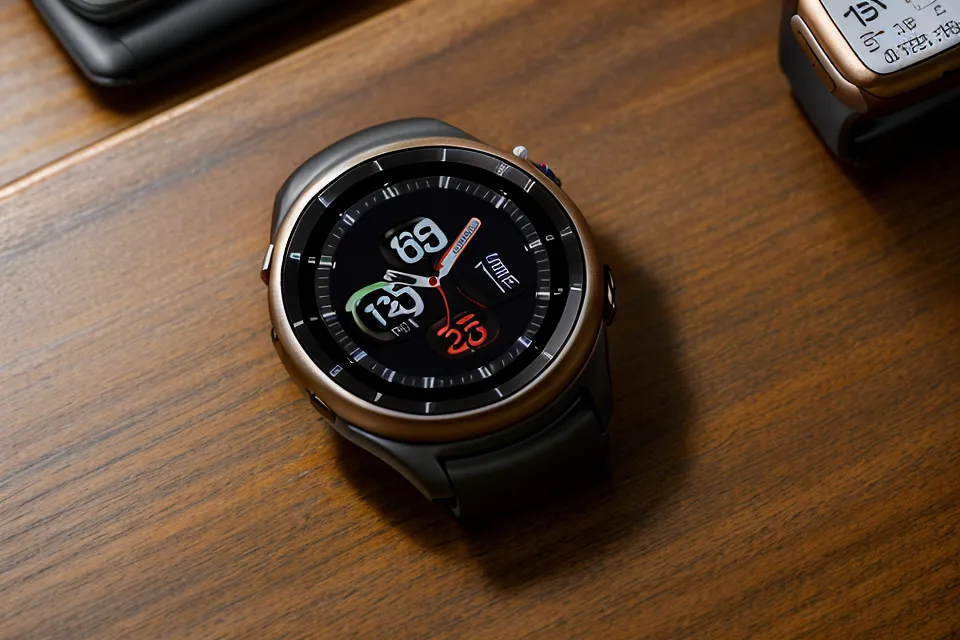
My doctor was the one who called it, not me. Blood pressure climbing, cortisol readings that looked like I was perpetually being chased by a bear — his words, not mine, though I've repeated them so often by now they might as well be my job title. What he didn't say, and what took me longer to piece together on my own, was that the timing wasn't random. My sleep score, the 0-100 number my watch hands me every morning like an unsolicited performance review, had dropped into the low 40s right around the same weeks the sun started disappearing by five in the afternoon. I'd lived around Atlanta my whole adult life and never once connected "it's dark all the time now" with "I feel like a browser with fifty tabs open." Once I made that connection, vitamin D stopped being something I vaguely associated with milk cartons and became the actual variable I wanted to test.
Going to Bed Earlier Only Made It Worse
Vitamin D doesn't act like a simple vitamin once it's inside you — it behaves more like a supply input than most people realize, and when the supply drops in winter, things downstream feel it, including however Vitamin D talks to your circadian rhythm. I'm not going to pretend I fully understand that part — I'll leave the actual science to people who know it better than I do. What I can tell you is what I watched happen: the less natural light I got through November and December, the worse my numbers got, and "just go to bed earlier" did not fix it. I tried that first, actually — pushed my bedtime back almost a full hour for a stretch — and it backfired. I just ended up lying there longer in the dark before actually falling asleep, which might be the most insulting possible outcome when you're trying to solve a sleep problem.
Does More Vitamin D Mean Better Sleep? Not in My Data
Not every capsule works the same way, and I learned that the expensive way — by buying whatever had the biggest number printed on the front of the bottle. More units on the label didn't automatically mean a better result. What actually seemed to matter was the delivery form: oil-based capsules moved my numbers faster than the dry tablets I'd been grabbing off the pharmacy shelf for years, even at a lower listed amount. Buying a bigger number and hoping it fixes the outcome on its own is a lot like approving a bigger budget for a broken process and expecting the problem to solve itself — sometimes it helps, mostly it's just waste. I stopped chasing the number on the label and started watching what happened to my actual sleep score instead, which is a far more boring approach, but it's the one that worked.
YU SLEEP in the Rotation
I first heard about stacking a vitamin D formula into a nightly routine from Barrington, someone I know from a local wellness forum I joined early in all of this — he'd already been tracking his own data on it for months before I even knew it was worth testing, which is pretty on-brand for him specifically. When I finally tried YU SLEEP that December, I went in skeptical, because my cabinet already looked like a clearance aisle of things that hadn't worked. I even cracked one of the capsules open early on just out of curiosity, and the chalky powder inside left a dry residue on my fingers I still remember noticing. Around week eight, the shift got hard to ignore, though not in a dramatic way — more like something I caught sideways. I was driving past the Dunkin on my regular route to work one morning and realized partway through the intersection that I hadn't even registered wanting to pull in, which doesn't sound like much until you remember how many mornings before that I'd made that exact drive running on fumes.
No morning grogginess, either, which mattered to me more than people might expect. I'd tried melatonin-heavy things before that left me groggy enough to dread the drive into work the next day, and this didn't do that. If you want the unfiltered day-by-day version, including the mornings where absolutely nothing happened, I kept it all in my tracking notes on YU SLEEP here.

My friend Jerome, someone I know from a sleep-tracker group online, who fishes the Chattahoochee most Friday mornings before work, picked apart my methodology within about ten minutes of me telling him about any of this. He pointed out that one eight-week window with no control period doesn't actually prove much, and he's annoyingly right about that more often than I'd like to admit. I don't disagree with him. What I have isn't a clinical trial. It's one guy's nightly numbers, logged honestly, which is worth something but not everything.
SleepLean and ChronoBoost Pro: The Premium and the Bulk Option
For anyone who wants more than a straight vitamin D play, SleepLean adds a metabolism angle on top of the sleep formula, aimed at guys who've noticed the classic winter pattern of being too drained to get to the gym and slowly packing on a few extra pounds as a result. It sits at the premium end of the price range, and whether that's worth it to you probably depends on how much the metabolism piece actually matters to you personally — for me, it was a secondary consideration, not the deciding one. On the other end of things, ChronoBoost Pro is a three-in-one formula built around sleep, brain function, and daytime energy, stimulant-free and non-habit-forming, which matters if your cortisol is already elevated and you don't want to trade one dependency for another. It's not really sold as a single-bottle impulse buy — the real value shows up if you commit to the larger multi-bottle order, which brings the per-bottle cost down noticeably if you already know you're in for a long, dark winter. Worth reading up on how to read supplement labels before you commit to any of these three, because the marketing copy and the actual ingredient list don't always say the same thing.
What Eight Weeks of Tracking Actually Taught Me
By the time the days started getting longer again, my average sleep score had climbed out of the 40s and was sitting consistently in the high 70s. My blood pressure leveled off. My wife still thinks the supplement shelf is ridiculous, and she's probably not wrong, but she also stopped hearing me pace the living room at three in the morning. None of that happened because I found one magic natural supplement — it happened because I finally started treating the dark months as a known, recurring variable instead of something to grind through on willpower, the same way you'd never run a project through a predictable slow quarter without adjusting the plan around it ahead of time. If you're dealing with the same winter slump, that's the actual takeaway: don't wait for a doctor's appointment to tell you what your own tracking data has probably already been showing you for weeks.

Sleep debt doesn't behave like a weekend project you can crash your way through — it compounds quietly until somebody else, usually a doctor, is the one bringing it up instead of you. If you're starting from somewhere close to where I was, YU SLEEP is the one that actually held up across eight weeks of my own notebook, for whatever one guy's data is worth to you.
| Product | Rating | |
|---|---|---|
| YU SLEEP Top Pick | 9.2 | Read More → |
| SleepLean | 8.5 | Read More → |
| ChronoBoost Pro | 8.1 | Read More → |
YU SLEEP
Pros
- + Noticeable improvement in sleep depth within the first week
- + Zero morning grogginess or 'supplement hangover'
- + Natural formulation that doesn't cause dependency
- + Generous 60-day money-back guarantee
Cons
- − Only available through the official website
- − Requires about 10 days of consistency for full effect