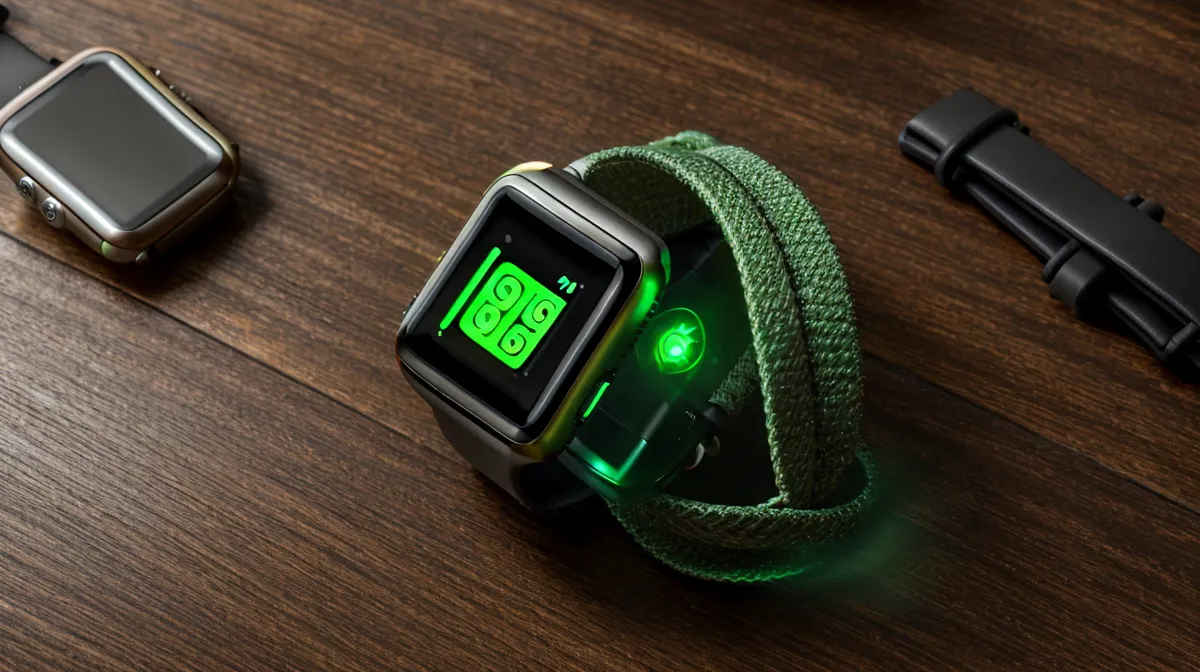
My tracker handed me a sleep score of 61 one morning and 79 the next, off almost identical nights — same time in bed, same rough number of wake-ups, nothing different in between. That gap is what got me to stop glancing at the composite number each morning and start actually reading the smartwatch sleep data underneath it, which is really what sleep tracking is supposed to be for. Somewhere along the way this turned into a full biohacking habit, and I'll own that. It's not the kind of men's health topic that comes up at a barbecue, but the number on my wrist doesn't care about that.
For a long stretch before this, I was the guy bragging about running on four or five hours of sleep, like it was a personality trait instead of a problem waiting to happen. That ended with a doctor appointment that flagged my blood pressure and stress hormones as something to take seriously, and it's the reason I started paying attention to what my watch was actually telling me instead of just what it scored me.
Why Sleep Tracking Data Needs More Than One Number
Most consumer trackers build that single score out of four or five ingredients: total time asleep versus time in bed, an estimate of how long you spent in each sleep stage, how restless you were, your resting heart rate trend, and increasingly, a heart rate variability reading. Each brand weights those differently, which is why two watches can look at a similar night and land on different scores — the formula underneath the number is proprietary, and none of the manufacturers publish exactly how it's calculated.

I log the score by hand most mornings in a notebook by the bed, mostly because typing it into yet another app defeats the point of getting away from a screen before I'm even out of bed. There's a small buzz against my wrist most days before I'm fully awake. That's the watch pushing the number through. I've learned not to react to it until I've had coffee.
Reading the Deep Sleep and HRV Numbers Instead of the Score
The two components worth reading before the composite score are deep sleep and heart rate variability, or HRV. The deep sleep bucket your watch tracks separately from light sleep and REM is built around what's known as slow-wave sleep, and on my roughest nights that bucket sat under thirty minutes even with a full eight hours logged in bed — proof that time in bed and time actually recovering are two different measurements. I only trust a comparison like that because I tracked it systematically instead of eyeballing it, the same discipline behind my 30-day sleep tracking experiment data, where I logged this exact pattern night by night. Heart Rate Variability is a number your watch derives from the tiny gaps between heartbeats, measured in milliseconds, and it moved more than any other metric once I started paying attention to it. My baseline during the roughest stretch sat in the low thirties. That's not a number I use to self-diagnose anything — just one I watch trend over time instead of judging off a single night. The clearest example of that trend actually showing up is my honest Resurge results and how it changed my smartwatch recovery score, where that same HRV number is the whole story.
None of this exists in a vacuum. A rough patch of low HRV nights is usually downstream of something, whether that's accumulated sleep debt or a stressful week that keeps you wound up into the evening, and I've covered both of those separately elsewhere. The score is a symptom tracker, not a cause tracker, and treating it like the second thing is where people end up frustrated with these devices.
Where the Wrist Sensor Gets It Wrong
Every score is only as good as the sensor feeding it, and most wrist trackers rely on photoplethysmography — a light-based sensor pressed against your skin that estimates heart rate from blood flow. It's a solid proxy, not an exact instrument, and a loose band, a cold room, or a wrist that moved around all night can throw off a single night's reading enough to skew the score. That's the practical rule I use now: I don't trust any one night's number by itself. I look at a rolling week instead, and if the band feels loose when I put it on, I tighten it before bed instead of blaming the results in the morning.
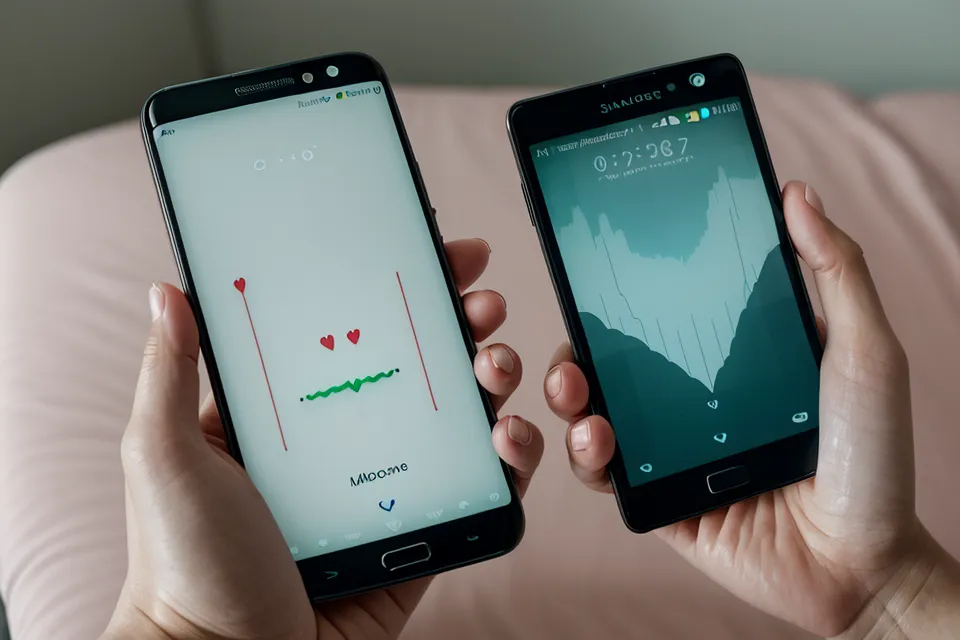
My neighbor Gerald Watkins wears a different brand, and when we compared notes after both being at the same late gathering one night, his score came back higher than mine despite what sounded like a rougher night by his own account — which says more about how the two algorithms weight things than about who actually slept better. Gerald's blunt about it: if he doesn't feel a difference by mid-morning, he doesn't believe the number, no matter what it hands him.
What Did the Data Point Me Toward Investigating?
The score by itself doesn't tell you why any of this is happening, and chasing that answer sent me down a few side paths worth naming without turning this into a full explainer on each one. A stretch of consistently low scores lined up almost exactly with a run of nights I kept waking up around 3 AM and staying up long enough to check my phone, which is its own pattern worth a closer look elsewhere. I tried a subscription sleep meditation app around the same time and used it maybe four times before I forgot the login and quietly gave up on it, which says more about how much friction kills a habit than about whether the app itself worked. Melatonin left me groggy enough the next morning that I eventually swapped it for something else, and separately I learned there's a real difference between forms of magnesium that isn't obvious from the label unless you already know what to look for.

On nights when my mind wouldn't stop replaying the day's meetings, nothing about the score explained that particular problem, and that turned into a separate rabbit hole involving a racing mind at bedtime. What moved the needle more than any single supplement was a consistent wind-down routine I stuck with long enough to see it show up in the data, and building that into an actual habit meant checking whether what I was taking was something I could stop without withdrawal. A threshold worth knowing before you start something, not after.
Reading the ingredient label mattered more than I expected too, since a lot of these products bury the same three or four active ingredients under different marketing names. Afternoon coffee showed a straight line to the next night's score, which eventually got me dealing with a caffeine habit I'd been pretending wasn't a factor. I remember driving past a Dunkin on the way in one morning and realizing, mid-merge, that the craving I used to reach for on autopilot just hadn't shown up.
This wasn't guesswork. I ran it the way you'd run any test, one variable at a time, tracking each change the same methodical way before I trusted a result enough to act on it. That same habit is behind a shorter piece I wrote on natural ways to improve sleep quality using tart cherry supplements, after muscle soreness kept me tossing at night.
Three Rules I Actually Use Now
A few rules stuck once I'd tracked enough nights to trust them. First, I never react to a single bad score — one rough night skews against the trend more than it reflects how recovered I actually am, so I wait for three or four nights in the same direction before I change anything. Second, I check the deep sleep and HRV numbers before I even look at the composite score, since those two tell me more about what actually happened than a rounded-off number out of 100 ever will. Third, if a change to diet, timing, or a new product doesn't show up in the data within a reasonable stretch of nights, I drop it rather than keep taking something on faith — that discipline is the only reason my medicine cabinet isn't twice as full as it used to be.
My blood pressure numbers from my last physical came back normal, and I'd like to say the tracker gets full credit, but the truth is it's just the tool that made the guesswork visible. My wife still rolls her eyes at the notebook by the bed, and she's not wrong that people managed to sleep fine for thousands of years without a screen telling them how well they did it. I just happen to be the guy who wanted the receipts.