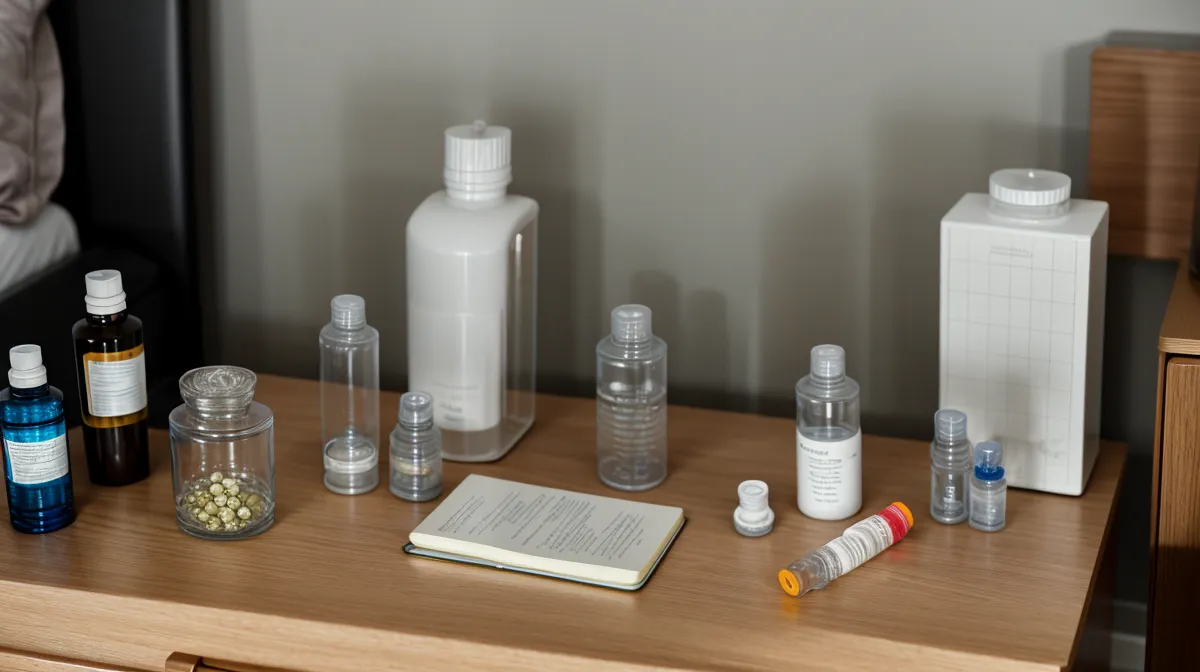
Magnesium glycinate calms the body. Magnesium threonate is marketed to calm the brain. For men over 40 sorting through a wall of magnesium supplements at the drugstore, that distinction is the whole ballgame, and it's the one thing nobody explains before you buy the wrong bottle for the problem you actually have. I spent fifteen years treating four hours of sleep as a personality trait, which is a genuinely dumb thing to have been proud of. Once my doctor told me my cortisol looked like I was being chased by something, I started tracking sleep quality and brain health the way I track anything else: measure it, isolate the variables, throw out what doesn't move the number.
Update (September 2026): Resurge is no longer available for purchase; this article is kept for reference. Our current value pick in this category is ChronoBoost Pro.
Quick disclosure before the comparison: this site runs on affiliate links, and if you buy through one of mine I earn a commission at no extra cost to you. Every product mentioned below is something I bought myself and tracked on my own smartwatch — nobody sent me a free bottle in exchange for a good review. I'm not a doctor, just an operations manager with a very specific data obsession and a wife who thinks the whole routine is excessive.
Magnesium Glycinate vs. Threonate: What Actually Sets Them Apart
Start with Magnesium itself - it's not one supplement, it's a family of them, and the form on the label changes what you actually feel. Glycinate is magnesium bonded to glycine, an amino acid with its own calming reputation. It's the form most people mean by default when they say "magnesium supplement," and in my case it made the biggest dent in physical restlessness — less leg-twitching, less turning over every twenty minutes. What it didn't touch was the mental side: I'd still be lying there replaying a conversation from that afternoon at full volume.
Threonate is a different animal. The label points to its ability to reach past the blood–brain barrier, which is the manufacturer's explanation for why it's marketed toward brain health rather than general relaxation. I can't verify that chemistry myself, and I'm not running a lab out of a spare bedroom. What changed when I switched was concrete, though: less of that wired, can't-power-down feeling at bedtime, and mornings where my head felt clear before any caffeine. Glycinate quiets the body. Threonate is sold to quiet the noise upstairs. Mixing the two up is probably why so many people try "a magnesium supplement" once, feel nothing, and give up on the whole category.
Where YU SLEEP Fits Into the Comparison
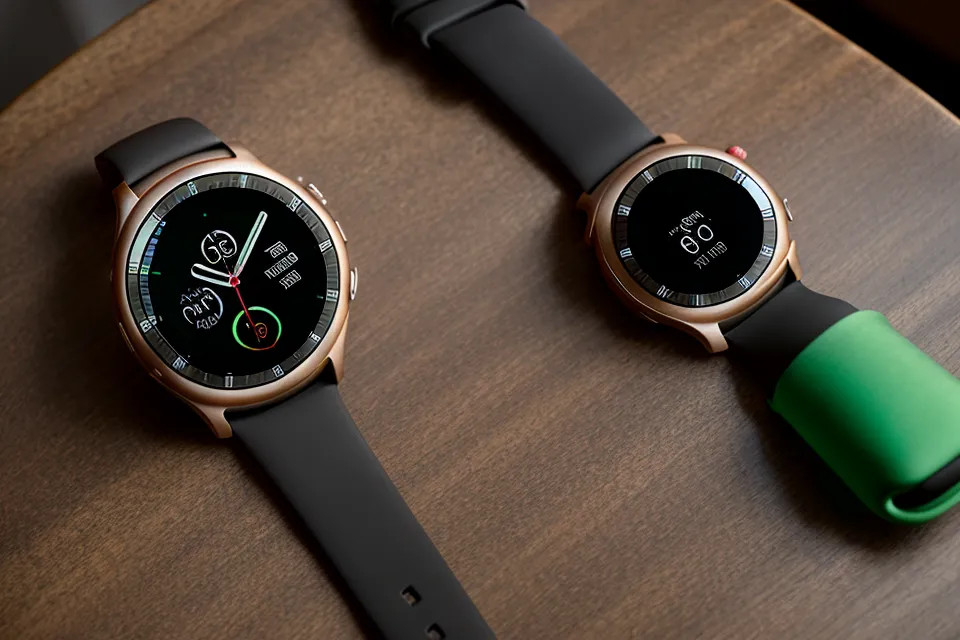
Neither form fixed everything by itself, which tracks with basically every supplement I've tried since my doctor first flagged my cortisol. YU SLEEP was the first blend that paired a threonate-style cognitive ingredient with enough calming support to actually register on my smartwatch's sleep score. The number climbed instead of just rearranging itself night to night. I think about sleep debt now the way I used to think about a project backlog nobody wanted to own, and elevated cortisol overnight seems to be a big part of why that backlog doesn't clear on its own. I won't pretend to understand the endocrine side of it - that's a rabbit hole for a different post - but the pattern in my own data was hard to argue with.

How Threonate Affects a Racing Mind at Bedtime
Not immediately, and not for everyone. That's the honest answer. Before I found a blend that worked, I tried the obvious cheap fix: melatonin gummies at 5 mg, the kind sold at every gas station checkout. They knocked me out fast, which felt like a win for about a week. Then I noticed I was still waking at 3 AM anyway, foggy clear through to noon the next day, like my brain hadn't finished its shift. That grogginess is a common complaint with melatonin specifically, and it's a big part of why I stopped reaching for it. A racing mind at bedtime, being tired but mentally "on", responds differently to different ingredients, and melatonin sedates you without necessarily quieting that noise.
A Reader's Question About Timing and Dosage
A reader named Cynthia emailed me after my first article went up - mid-forties, told by her own doctor that her cortisol was running high, asking exactly when in the evening to take which form and whether splitting the dose actually mattered. Those are fair questions, and I don't have a clinical answer to either one. What my own tracking showed is that consistency mattered more than precise timing. A wind-down routine at roughly the same time each night, some evenings capped off with a slow walk at Stone Mountain Park, did more for my numbers than obsessing over the exact minute I swallowed a capsule. If you want to see what that kind of gradual improvement actually looks like on a tracker, I mapped it out in Best Natural Deep Sleep Supplements for Improving Smartwatch Recovery. Before committing to anything long-term, I'd also check whether it's genuinely non-habit-forming rather than just marketed that way — the label's fine print tends to be more honest than the sales page. Reading those labels closely, glycinate versus oxide versus citrate, is its own skill, and I broke it down in more detail in What's in Natural Sleep Supplements? An Ingredient Guide.
YU SLEEP, SleepLean, and Resurge, Side by Side
Three products made it past my first round of testing and stayed on the shelf — lined up roughly in the order I tried them, which has become something of a running joke in the house. Cracking one open to see what's actually inside leaves a chalky residue on your fingertips no matter which brand you're testing, a small, unglamorous reminder that you're taking a capsule apart, not just swallowing it.
YU SLEEP is still my default. It pairs a threonate-style cognitive ingredient with calming compounds instead of leaning on melatonin — YU SLEEP was the first blend where that combination actually showed up in my sleep score, not just in how I felt lying there. It took about ten days before the change was consistent, and it comes with a 60-day money-back window if it doesn't pan out for you, which took some of the risk out of trying it. It sits at the higher end of the price range and is only sold through the official site, so weigh both of those before you order.
SleepLean sits at the premium end of the three, and it earns that with a dual-purpose formula: a metabolism-support angle layered on top of the sleep piece, useful if weight management is part of what you're after and less relevant if you just want to sleep through the night. The dose is higher than the other two, reviews are thinner online, and I'd treat it as the pick for people who specifically want that metabolism angle rather than the default choice for straightforward sleep quality.
Resurge is the veteran of the group, an older formula that hasn't been updated much, with some ingredient overlap with basic melatonin products. It's also the most affordable of the three, and a reasonable low-commitment entry point if you're not ready to turn your medicine cabinet into a science project the way I have. In my own testing it was the slowest of the three to move my numbers at all, but slow isn't the same as ineffective. It just meant I needed more patience than I usually have.
Which Magnesium Form Actually Moved My Numbers?
Glycinate handled the physical restlessness. Threonate is what actually changed how my mornings felt, and combining both into a single blend is why I stopped juggling five different bottles every night. My friend Russell, who won't try so much as a new coffee brand without a spreadsheet to justify it, asked me recently why I don't just buy separate glycinate and threonate pills instead of paying more for a combined formula. Fair question. The honest answer is that consolidating them is what finally got me consistent, and consistency is what showed up in the data.
Cutting back on afternoon caffeine helped too, though that's a big enough topic for its own post. What I noticed instead showed up in ordinary moments: sitting through a two-hour budget review without once pressing my palms against my eyes to stay upright, which used to happen more than I want to admit.
None of this makes me qualified to tell you what to take. It makes me someone with a shelf of tracker data and a wife who raises an eyebrow every time she walks past it. If you're only going to try one thing, my own numbers point toward YU SLEEP as the most consistent option I tested, but talk to your own doctor first, get your own tracker, and let your own data, not mine, make the call.