I'm already past the on-ramp toward I-285 before I notice what's missing — no travel mug sweating in the cupholder, no half-second detour back into the kitchen for a second cup. That's new, and it's the same reason I can get up for an early walk along the Chattahoochee River National Recreation Area some weekends without dragging myself there on caffeine alone. Two years of testing natural sleep supplements did something, even on days I'm not consciously tracking it.
Update (September 2026): Resurge is no longer available for purchase; this article is kept for reference. Our current value pick in this category is ChronoBoost Pro.
Quick disclosure before the myth-busting starts: this site runs on affiliate links, including a few for natural sleep supplements I've spent real nights testing (except the one marked "not yet tested"), and if you buy through one of them I earn a commission at no extra cost to you. None of this is medical advice — I'm not a doctor, just an operations guy with a smartwatch and a spreadsheet habit. Talk to your own doctor before you change anything sleep-related, especially if blood pressure or another health issue is already part of the picture.
The Myth That Kept Me Buying the Wrong Bottles
Here's the misconception that cost me more nights than it should have: I assumed "natural" on a label was basically the same thing as "researched." For a guy who spent fifteen years bragging that sleep was for people without enough willpower, grabbing a bottle that said valerian or magnesium in bold letters felt like due diligence — the same way I used to sign off on a vendor because their pitch deck said "certified" a dozen times without ever asking for the actual audit. Natural and dosed-for-an-effect are not the same claim, and plenty of bottles on a pharmacy shelf never had anyone check whether their specific formula matched what any study actually tested.
Cutting all coffee after noon was my first real experiment, and I stuck with it for six weeks, convinced a caffeine cutoff alone would solve my 3 AM wake-ups. It did exactly nothing. My tracker showed the same middle-of-the-night pattern whether my last cup was at eleven in the morning or I skipped it entirely, which told me the problem wasn't timing — it was closer to whatever the ingredient labels claimed to fix without any of them proving it.
Natural Doesn't Automatically Mean Someone Tested the Dose
The honest answer is that most "natural" labels aren't lying so much as they're not saying much of anything, and figuring that out took me longer than I'd like to admit. That's part of what pushed me toward reading labels differently instead of trusting the front of the bottle: a specific compound listed at a real amount is an entirely different product from that same compound name buried inside a "proprietary blend" that never states the dose, even though both bottles get to call themselves natural.
This is also where the difference between feeling sedated and actually sleeping restoratively matters more than people give it credit for — getting knocked out isn't the same as cycling through real recovery, and a bottle that just makes you drowsy isn't automatically the better bottle. Magnesium is a decent example of the same trap: not every form of it behaves the same way once you take it, which is its own separate rabbit hole I won't get into here, but it's worth knowing there's a real difference before you grab whatever's cheapest at the pharmacy.
A Real Formula Names Its Dose Instead of Hiding It
So here's the actual rule I use now, the one I wish someone had handed me before I filled a shelf with jars that did nothing: check whether the ingredient is named specifically, listed at a real amount, and shows up in outside research — not just tucked into a proprietary blend that hides the number. Melatonin gets handed out as the default answer for almost everyone, but I know people, myself included, who've woken up groggy for hours after taking it — grogginess isn't proof a product worked harder, it usually means the dose or timing was wrong for that particular person. I also started watching whether something quietly turned into a nightly requirement the longer I used it, since a sleep aid you can't stop needing isn't actually solving anything.
Three Bottles, One Same Question
My neighbor Felicia works rotating shifts at the hospital and has her own complicated history with sleep, and when I told her I used to think the word "natural" on a label was basically a citation, she laughed hard enough that I felt genuinely dumb about it. Gerald, a couple streets over, coached high school football for decades and only recently started taking his own recovery seriously — he's turned into an informal tester for whatever I'm currently trying, and he was the one who asked whether an older formula like Resurge still counts as research-backed or if it's just a long track record wearing better marketing. He wasn't wrong to ask.
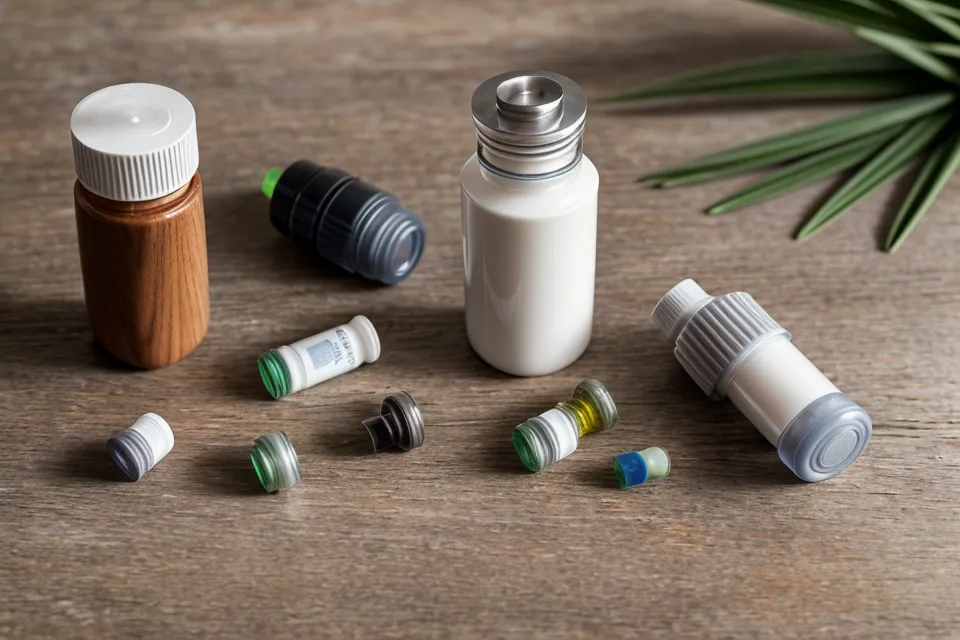
Between the three I've actually logged nightly notes on, Resurge is the one with the longest history and the most affordable price point, though my own tracking showed it took longer to show up as any real shift. SleepLean layers a metabolism angle on top of the sleep formula, which matters if that's a goal for you and matters a lot less if it isn't, and it sits at a higher price tier for that extra function. YU SLEEP was the one where my smartwatch heart rate variability numbers moved the most consistently, and my nightly sleep score stopped looking like a coin flip — though "consistently" here means night after night, not some overnight switch. Anything promising an instant fix in this category is usually the same old marketing wearing a new "natural" label.
The Bar for "Research-Backed" Sits Lower Than You'd Think
If you're nodding along because you just came from the same annual men's health checkup that kicked off this whole detour for me — blood pressure creeping, doctor giving you that look — the answer isn't switching to a different bottle that also says "natural" on the front. It's checking what's actually inside, at what amount, and whether the company will stand behind it if it doesn't work for you. That bar is lower than people assume, which is exactly why so few products actually clear it. Between the three I've tracked, YU SLEEP is the one that consistently cleared it against my own nightly numbers.
So if you're ready to stop treating 3 AM as normal and want to see what a standardized, dosed formula looks like instead of another vague "natural" claim, YU SLEEP is the one I'd point you toward first — check it out and see what your own tracker says.
| Product | Rating | |
|---|---|---|
| YU SLEEP Top Pick | 9.2 | Read More → |
| SleepLean | 8.5 | Read More → |
| ChronoBoost Pro (not yet tested) | - | Read More → |
YU SLEEP
Pros
- + Noticeable improvement in recovery scores within the first week
- + Uses standardized extracts for consistent dosing
- + No melatonin-induced morning grogginess
- + Solid 60-day money-back guarantee
Cons
- − Only available through the official website
- − Requires consistent daily use to see the best results