
Four beats. That's the gap between my resting heart rate on a good morning and a bad one — the number my watch kept flashing at me back in April, long before I understood what heart rate variability even measured. Back then I still thought sleep tracking was just a fancier way of counting hours.
For fifteen years I bragged about running on four or five hours a night, treating sleep the way I treated an overdue project — something you sprint your way out of if you push hard enough. My doctor ended that delusion when he pulled up my blood pressure numbers and asked, not gently, what I planned to do about it. Quick disclosure since it's relevant here: this page contains affiliate links, and if you buy something through one — including YU SLEEP, the natural sleep supplement I ended up sticking with — I earn a commission at no extra cost to you. That doesn't change what my own data showed me, and none of it replaces an actual conversation with your own doctor, especially if you've been blowing off the same men's health checkup I used to.
Going to bed an hour earlier was the first thing I tried, on doctor's orders more or less. It mostly just meant lying awake for an extra hour in the dark instead of asleep at a slightly earlier one. Three mornings in a row that same stretch, my resting heart rate sat four beats below my rolling average before I'd even sat up in bed — that's when the number on my wrist stopped feeling like a party trick and started feeling like something worth paying attention to.
What Does Heart Rate Variability Actually Tell You?
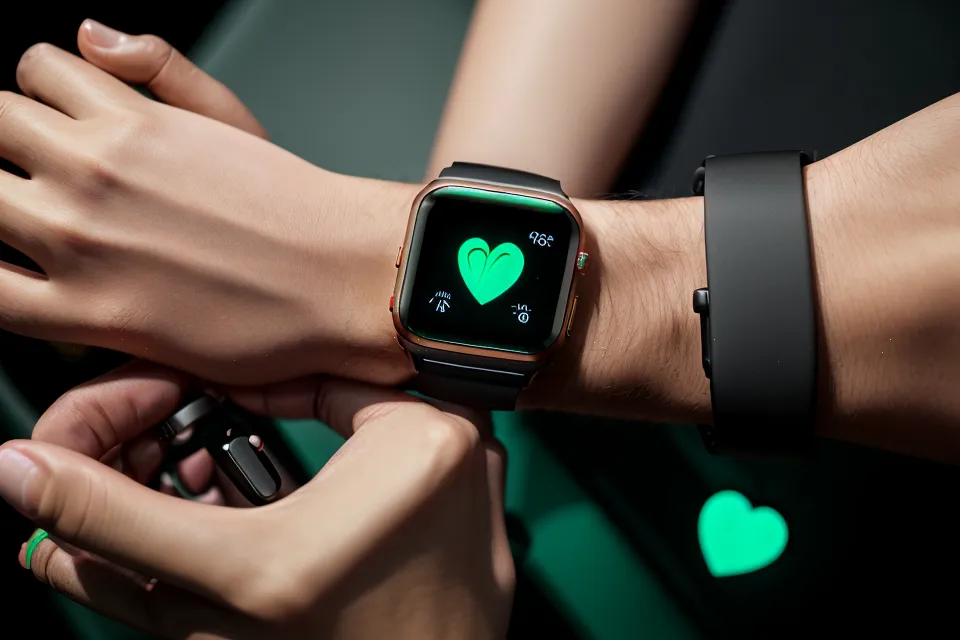
Here's the part nobody explained to me up front: HRV isn't the same thing as your watch's overall sleep score. It's a separate measurement — the variation in time between individual heartbeats, measured in milliseconds. My watch gets at it using the same green-LED trick, photoplethysmography, that most fitness trackers use to read blood volume changes at the wrist. I'd been staring at my sleep score for months without once looking at the number underneath it.
High variability is supposed to mean your body can handle stress and bounce back from it. Low variability means you're running hot, nervous-system-wise, even while you're technically asleep. A guy named Barrington, who I met at a wellness meetup years before any of this started, was the one who first told me to stop obsessing over total hours and start watching how consistent my wake-up time was. I brushed that off for months before my own numbers proved him right. The cortisol connection is real enough that my doctor brought it up unprompted, though I'll leave the actual mechanics to people with medical degrees — if you want more on that angle, I wrote separately about How to Lower Cortisol Levels Naturally for Better Sleep Quality.
The Sixty-Day Stretch With SleepLean and YU SLEEP
By late spring I'd gotten methodical about it. I ran a two-month stretch with SleepLean, mostly because their metabolism angle interested me on top of the sleep piece, while rotating in YU SLEEP to see which one actually moved my overnight HRV baseline. My friend Jerome, who I know through an online group of fellow sleep-tracker obsessives, has a habit of texting me research abstracts at eleven at night — I appreciate the enthusiasm more than I actually read most of them. By week six, the pattern held steady enough that I stopped assuming it was a fluke.
My wife raises an eyebrow every time a new bottle shows up in the mail, understandably, but even she noticed I'd stopped pacing the hallway at three in the morning. What surprised me was how little weekend catch-up sleep did for the chart — sleeping in on Saturday never moved my HRV the way a genuinely good weeknight did. Fifteen years of treating sleep like debt doesn't unwind itself just because you started swallowing something before bed. The full data breakdown is in Beyond the Late-Night Ceiling Stare: What 18 Months of Supplement Testing Taught My Smartwatch.
Untangling Supplement Recovery From Workout Fatigue
Running is where the standard advice fell apart on me. I'd started jogging a loop through Inman Park a few mornings a week to get my blood pressure moving in the right direction, and it turns out a hard run suppresses HRV on its own, no supplement involved. My watch flagged me as strained the next morning regardless of what I'd taken the night before. For a while I couldn't tell if I was looking at supplement performance or just leftover running fatigue. The fix wasn't obsessing over a single night's score — it was watching the seven-day trend instead. The supplements didn't erase the dip after a hard run, but they seemed to shorten how long it took my HRV to climb back to baseline.
Rest Versus Sedation, and Why It Took Weeks to Feel the Difference

One thing became obvious once I compared options side by side: cheap, sedative-heavy formulas and genuinely restorative ones show up very differently on a chart, even when both knock you out at night. ChronoBoost Pro is the value pick I link to in that category now — a three-in-one formula built around sleep quality, brain function and daytime energy, stimulant-free and non-habit-forming, with a published ingredient list running past eighteen items, though it keeps the individual doses behind a proprietary label. It's the newest arrival there, and I don't have my own nights logged on it yet, so it isn't part of the tracking I'm describing here. Melatonin-based options had left me groggy on plenty of past mornings, which is part of why I'd moved away from them by then.
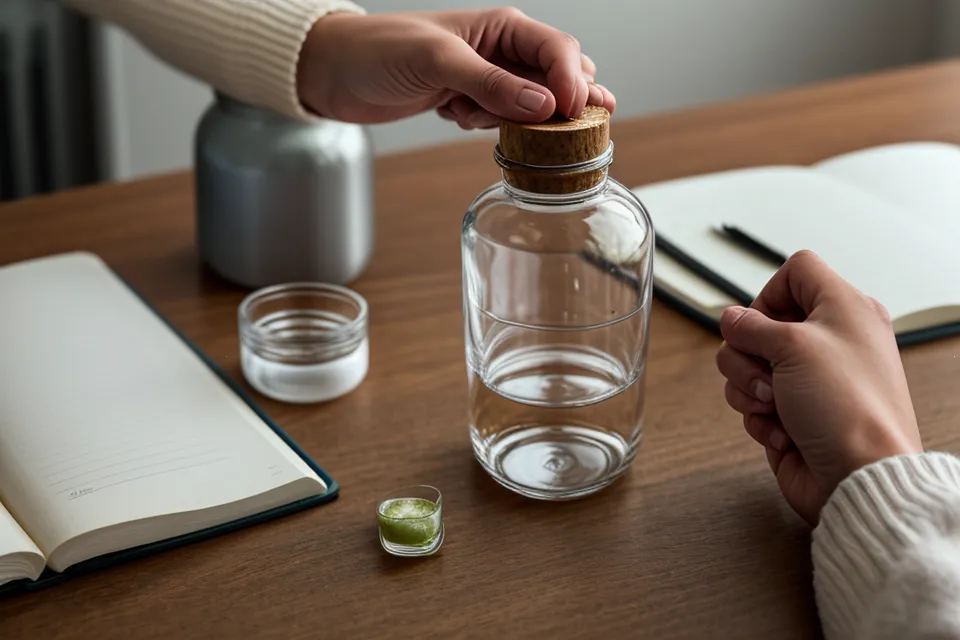
My HRV data backed up what I felt physically once I switched over. With YU SLEEP, the deep-sleep percentage on my chart climbed even on nights when total time in bed barely changed — proof that duration and depth are two different numbers, not one — and I stopped waking up groggy the way melatonin used to leave me. There's a faintly chalky, bitter edge to the magnesium powder I still stir into water most nights as part of the routine, though I stopped noticing it the way I did those first few weeks. My nervous system wasn't just switched off anymore. It was doing something with the hours it got.
Final Notes From the Operations Desk

These days I check HRV the way I used to check a project's lead indicators, instead of waiting for the final delivery date to find out something went wrong. A dropping number tells me to adjust the evening wind-down before I reach for anything in a bottle. Part of what sold me on sticking with one supplement long-term was knowing I wouldn't need more of it every month just to get the same effect. I'm careful about the room too — you can read more in Why Even the Best Sleep Supplements Need a Dark Cool Room, because no supplement fixes a bedroom that's too warm for a Georgia summer.
If you're tired of the ceiling-stare routine, start with a decent tracker and pay attention to your own trend line before you buy anything. YU SLEEP gave me the most consistent recovery numbers of everything I tried, without the dependency worries I had going in, and it's backed by a sixty-day return window, which took some of the risk out of trying it. It took about ten days before the trend actually shifted, and once it did, fifteen years of sleep debt finally started clearing off the books. Track your own numbers. Patterns hold up even on the mornings your brain insists you're fine running on five hours.