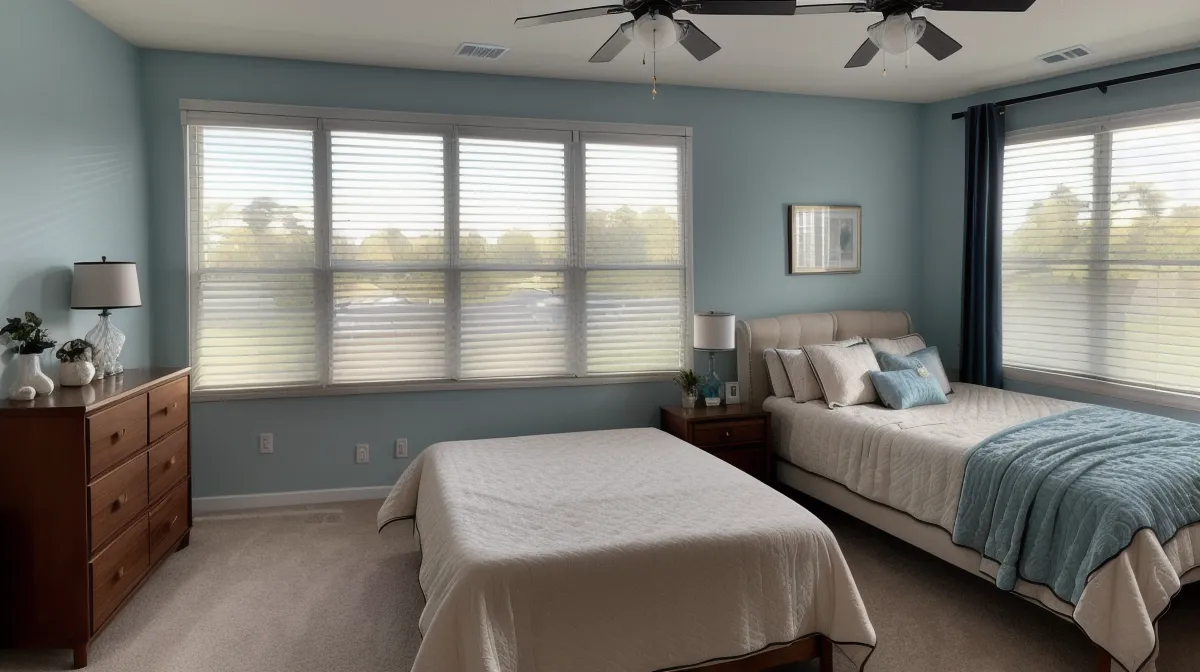
One humid night during a July heatwave, I found myself staring at the ceiling in a sweat, wondering why the premium magnesium and l-theanine I had just swallowed felt like they were doing absolutely nothing against the streetlamp glowing through my thin blinds. I had spent a small fortune on high-quality natural aids, but there I was, back in the same 3 AM hole I had been trying to climb out of for nearly two years.
The Software vs. Hardware Problem
As an operations manager, I tend to look at my life through the lens of project management. For fifteen years, I treated sleep like a non-essential overhead cost. I was the guy at the office who bragged about functioning on four hours of sleep and three double-espressos. I thought I was being efficient, but I was actually accumulating massive amounts of project debt—specifically, sleep debt. Eventually, the interest rates caught up with me. My doctor told me my blood pressure was spiking and my cortisol levels looked like someone running from a bear. That was the wake-up call that sent me on an 18-month journey through every natural supplement in the book.

What I eventually realized—after about six months of testing everything from valerian root to various botanical blends—is that supplements are the software of your sleep system. They provide instructions and support for your biological processes. However, if the hardware—your bedroom environment—is buggy or overheating, the software simply crashes. I noticed a distinct pattern in my tracking data: my results were fantastic last November when the Georgia air turned crisp, but they plummeted as soon as the humidity returned in early spring. It did not matter how many passionflower sleep aids I tried; the hardware was failing the software.
The 65-Degree Threshold and the Over-Cooling Trap
The first major hardware fix I had to address was temperature. According to most health organizations, the ideal sleep temperature is about 65 degrees Fahrenheit. During that July heatwave, my bedroom was hovering around seventy-four. I was taking magnesium glycinate—which I prefer over magnesium oxide because it has better bioavailability and does not give me a stomach ache—but its calming effects were being overridden by my body’s struggle to cool down.
Biologically, your core body temperature must drop by roughly 2 to 3 degrees Fahrenheit to successfully initiate sleep. If the room is too warm, your heart rate stays elevated as your body tries to dump heat. I remember the first night I finally caved and dropped the thermostat. I felt the crisp, lung-chilling sensation of the air hitting my face after dropping the thermostat to sixty-five degrees, and for the first time in weeks, my smartwatch showed a steady decline in my resting heart rate within twenty minutes of lying down.
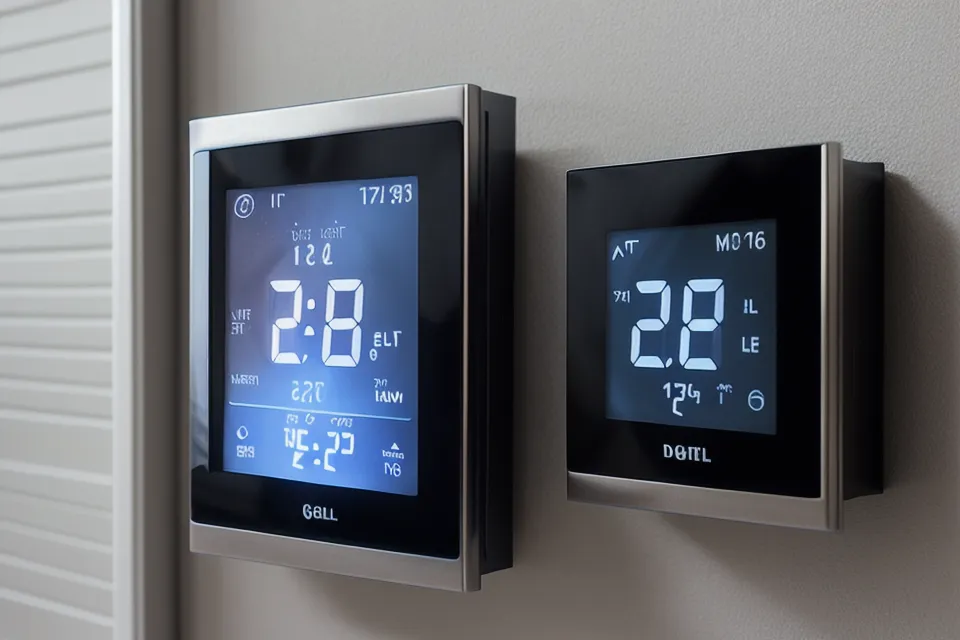
However, I also discovered a unique angle that most guides miss: the over-cooling trap. In my obsession with fixing my sleep, I once tried to drop the room to sixty degrees while using only a thin sheet. I woke up with my heart racing—a state of hyper-arousal. If you are a chronically cold sleeper, over-optimizing for coolness can actually trigger a stress response, preventing the very heat dissipation you need. It is about finding the point where your body feels safe enough to let go of its heat, not freezing yourself into a state of alert. I should clarify that I have zero medical training; I am just a guy who looks at spreadsheets of his own heart rate variability (HRV) and notices when the numbers don't add up. You should definitely talk to your own doctor before making drastic changes if you have underlying health issues.
Retinal Gatekeepers and the 450 Nanometer Problem
The second piece of hardware is light. I used to think that as long as my eyes were closed, light did not matter. I was wrong. Melatonin production is biologically inhibited by light hitting the retina, even through your eyelids. Specifically, the blue light wavelength range of 450-495 nanometers is the primary culprit. This is the light emitted by your phone, your TV, and that annoying streetlamp outside my window in suburban Atlanta.
I was taking a standard melatonin dosage of 300 micrograms—a physiological dose that is much closer to what the body naturally produces than the massive 5mg pills you see at the drugstore. But taking that supplement while scrolling through work emails was like trying to fill a bucket with a hole in the bottom. The light was telling my brain it was daytime, while the supplement was trying to whisper that it was night. The light always wins that argument.

I finally bought some heavy blackout curtains and started wearing a sleep mask. One night, after about three weeks of this new routine, I experienced the heavy, leaden feeling in my eyelids that finally arrived once I blocked the blue light from the hallway. It was a physical weight I hadn't felt in years. My tracking notes showed that my 'wake-up impressions' went from feeling like I'd been hit by a truck to feeling actually refreshed. If you find that you are still struggling with morning grogginess despite these changes, you might want to look into melatonin alternatives for men who wake up feeling groggy, as sometimes the supplement itself is the lingering issue.
Stabilizing the Sleep Project
Once I fixed the room, the supplements finally started doing their jobs. It was like finally having a stable server to run my code. I stopped needing to 'sprint' my way through the day on caffeine because I wasn't starting every morning in a deficit. I’ve learned that you cannot out-supplement a bad environment any more than you can out-earn a bad spending habit. I’ve spent months figuring out how to lower cortisol levels naturally, and a dark, cool room is about 70% of the battle.
My wife still thinks my medicine cabinet looks like a supplement store had a clearance sale, and she isn't entirely wrong. It is a bit excessive. But she also sleeps like a rock regardless of the temperature, whereas I’m the one who needs the 'operations' to be perfect. If you’re like me—over 40, stressed, and tired of the 3 AM ceiling stare—stop looking for a stronger pill and start looking at your thermostat and your window blinds. Your supplements will thank you, and your smartwatch data will finally start looking like a project that’s actually under control.