
How long does a supplement get to prove itself before you decide it isn't working? Three nights, ten nights, a full bottle? That question is what eventually took over my nightstand, which for a while looked like the clearance aisle at a supplement store. Two bottles made it past the first week of real testing: SleepLean and YU SLEEP, the natural sleep aids that actually earned a spot in my rotation instead of getting shoved to the back of the cabinet. I spent fifteen years bragging in the break room about running on four hours of sleep, a dumb flex I'd take back if I could, and comparing two products side by side with actual tracking data instead of a gut feeling is about as far from that guy as I've managed to get.
A quick disclosure before any of this goes further: I'm not a doctor, a sleep researcher, or any kind of health professional, just an operations guy who got serious about supplement testing after a rough lab result. This site runs on affiliate links, so if you buy through one of mine, I earn a small commission at no extra cost to you. I only write about products I've actually run through my own nightly routine, and nothing here replaces an actual conversation with your doctor.
What My Sleep Tracking Data Said After the Cortisol Panel
My doctor pulled up my bloodwork last year and told me, flatly, that my cortisol was behaving like I was being chased by something — spiking at night, flat in the morning, more or less backwards from how it's supposed to run. I'd been treating sleep debt the way I used to treat a slipping project deadline: throw more hours and more caffeine at it until the deadline moved. That approach doesn't work on a body the way it sometimes works on a project plan, and the lab results were the first real proof I couldn't out-caffeinate a chronic deficit.
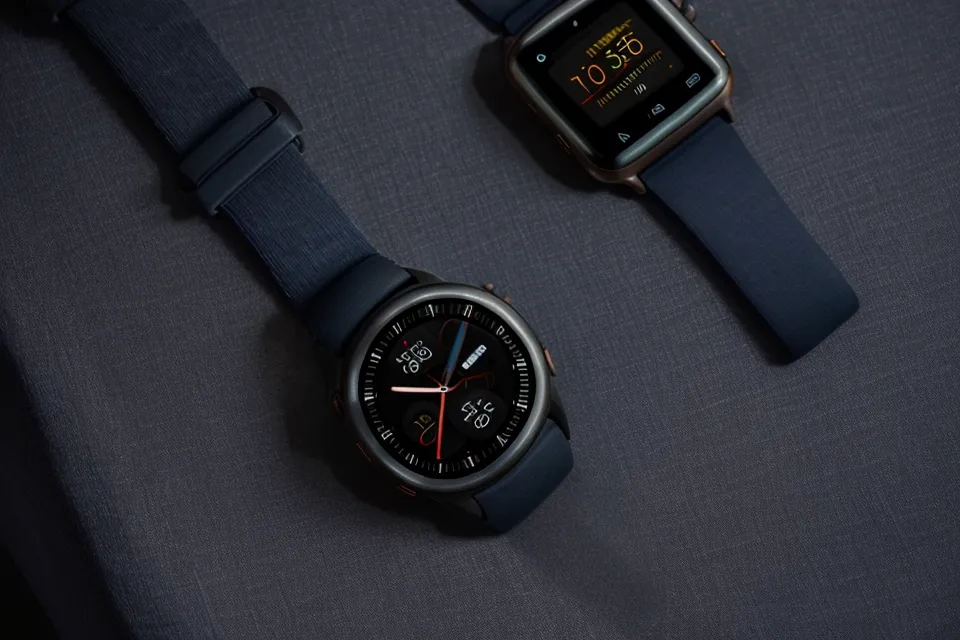
Cutting coffee after noon was the first thing I tried, and I stuck with it for six weeks before admitting it had done exactly nothing for the 3 AM wakeups — if anything, I just missed the coffee. Once that experiment failed, I started paying closer attention to the smartwatch heart rate variability data my watch had been quietly logging the whole time, and that's really where the SleepLean-versus-YU SLEEP comparison started for me.
Why Did SleepLean Knock Me Out Without Keeping Me Out?
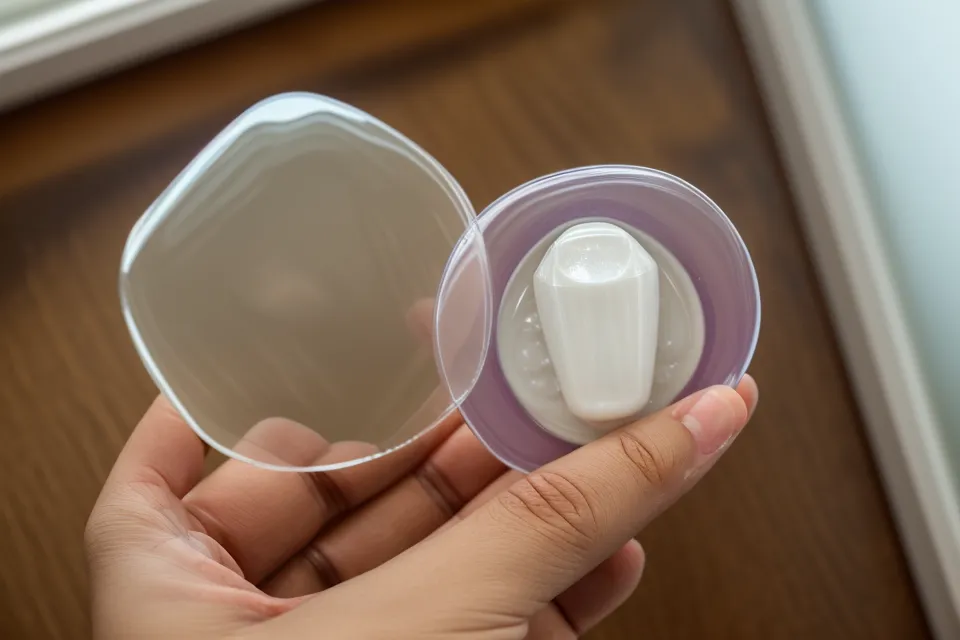
SleepLean was the first one I tested seriously, mostly because of the dual-purpose pitch — sleep support plus a metabolism angle, which sounded like a decent trade for a guy in his mid-40s who wasn't about to turn down any free efficiency. SleepLean works fast. Within half an hour I was out, which is a genuine selling point if the problem is a brain that won't stop replaying meeting agendas at 11 PM.
The catch showed up a few hours later. SleepLean handled sleep latency well — the part where you actually fall asleep — but it didn't do much for the part where you stay asleep. I'd surface around 3 or 4 AM anyway, which told me sedation and actual recovery aren't the same thing; getting knocked out fast doesn't automatically mean the night underneath it is doing its job. It's also the priciest of the three supplements in my rotation, and the metabolism angle — which was the whole reason I picked it up — ended up mattering less to me once I was tracking real results instead of guessing.
YU SLEEP Took Longer to Start, and That Was Kind of the Point
Switching to YU SLEEP meant giving up the instant knockout, and that took some adjusting. It doesn't sedate you the way SleepLean does — it's a slower build, closer to easing a system into standby than flipping a switch — and for the first several nights I assumed it just wasn't doing anything. It's also marketed as non-habit-forming, and that matched what I saw on my end: no creeping need for a bigger dose to get the same effect week after week.
Then one morning I pulled up my Garmin app, scrolling through the usual summary screen half-awake, and stopped scrolling entirely — seventy-one minutes of deep sleep logged for the night before, more than I'd seen in any stretch I could remember, and I just sat there staring at the number instead of getting out of bed. That's the kind of data point that changes how you read everything after it. Total hours on the graph hadn't moved much, but the deep sleep portion had, which told me duration and depth aren't the same measurement. It also didn't come with the fog I used to get from other sleep aids — no grogginess, just a cleaner read the next morning.
Which One Actually Solves the 3 AM Problem?
Here's the actual trade-off, stripped of marketing language: SleepLean wins on latency, YU SLEEP wins on maintenance. If your issue is purely falling asleep, SleepLean gets you there faster. If your issue is the internal alarm clock going off in the middle of the night — the real 3 AM problem — SleepLean barely touches that, and YU SLEEP quietly does.
My neighbor Felicia, who's worked her way through roughly half of what's in my cabinet at this point, brought up the same split when we ran into each other grabbing coffee at Ponce City Market one Saturday — she'd started SleepLean around the same time I switched to YU SLEEP, and her read matched my tracking almost exactly: fast onset, rougher back half of the night. I also started lining up my weeknight versus weekend sleep data, and YU SLEEP held up better against the usual Sunday-night stress spike than SleepLean ever did — the kind of night-to-night consistency a smartwatch sleep score actually rewards, even when the raw hours look similar on paper.
Picking Between SleepLean, YU SLEEP, and ChronoBoost Pro
There's a third option worth mentioning if neither of the first two fits what you're looking for: ChronoBoost Pro runs a three-in-one formula aimed at sleep, brain function, and daytime energy, and it's stimulant-free with a published ingredient list instead of a proprietary blend you can't actually read. I didn't put it through the same length of testing as the other two, but for someone who wants to see every ingredient on the label before deciding — which matters more to me than it used to, after getting burned by a vague formula in the past — it's a reasonable pick.
My actual rule by now is simple: reach for SleepLean on nights when the problem is purely getting horizontal and unconscious fast, and reach for YU SLEEP for the longer game of staying asleep through a stressful week. Gerald, my neighbor two streets over and the only person I've ever let borrow my spare tracker for a full weekend, ran the same comparison on his own and landed on the same split. YU SLEEP comes with a 60-day money-back guarantee, which is enough time to let your own watch tell you whether it's working instead of taking my word for it.
If you're tired of a sedative that solves the falling-asleep problem and ignores the staying-asleep problem, that's the comparison worth running for yourself. Check out YU SLEEP and see what your own tracking data says — not because I'm telling you to, but because at this point I trust the graph more than I trust my own gut.
| Product | Rating | |
|---|---|---|
| YU SLEEP Top Pick | 9.2 | Read More → |
| SleepLean | 8.5 | Read More → |
| ChronoBoost Pro | 8.0 | Read More → |
YU SLEEP
Pros
- + Significant improvement in staying asleep through the night
- + No morning grogginess or supplement hangover
- + Noticeable smoothing of sleep cycles on my smartwatch data
- + 60-day money-back guarantee provides a risk-free trial
Cons
- − Takes about 10 days of consistent use to see full results
- − Only available through the official vendor site