One muggy evening last July, I woke up in my suburban Atlanta home feeling like the air was thick enough to chew, staring at a ceiling fan that was doing absolutely nothing for my racing heart. I’d spent 15 years wearing my 'four hours of sleep is plenty' badge of honor like a corporate medal, but the bill finally came due. My doctor had recently told me my blood pressure was climbing and my cortisol levels looked like someone running from a bear.
Before we dive into what actually worked for me, a quick heads-up: this site uses affiliate links. If you buy something through them, I earn a commission at no extra cost to you. I only recommend things I’ve personally tested and logged in my notebook during my own search for rest. I’m an operations manager, not a doctor or a health professional, so please talk to your own physician before changing your routine—especially if you’re dealing with the kind of chronic 3 AM ceiling-staring I was.
The Georgia Humidity and the Sleep Debt Crisis
Living in the South means fighting a two-front war every night. You’re trying to cool your bedroom while your body is trying to cool its own internal engine. Most sleep organizations suggest a room temperature between 60 to 67 degrees Fahrenheit, but when the average morning relative humidity in Georgia hits 80 percent, your body’s natural cooling system—sweating—basically stops working. If you’re like me and your stress hormones are already redlining from a 60-hour work week, your internal thermostat is essentially broken.
I realized that sleep debt is exactly like project debt. You can’t just sprint your way out of a chronic deficit with a single long weekend of sleep. You have to address the underlying blockers. For us in humid climates, the biggest blocker isn't just the heat; it’s the way humidity prevents our core temperature from dropping. I started looking for supplements that didn't just knock me out, but helped my body stop overreacting to the environment.
Testing the Heavy Hitters: My Experience with YU SLEEP
Last mid-June, when the humidity started its annual climb, I began testing YU SLEEP. I was skeptical because I’d tried everything from heavy melatonin to 'sleepy' teas that just made me wake up for bathroom trips. What I noticed with this one was different. It didn't feel like a sedative; it felt like someone finally turned off the 'emergency' siren in my brain.
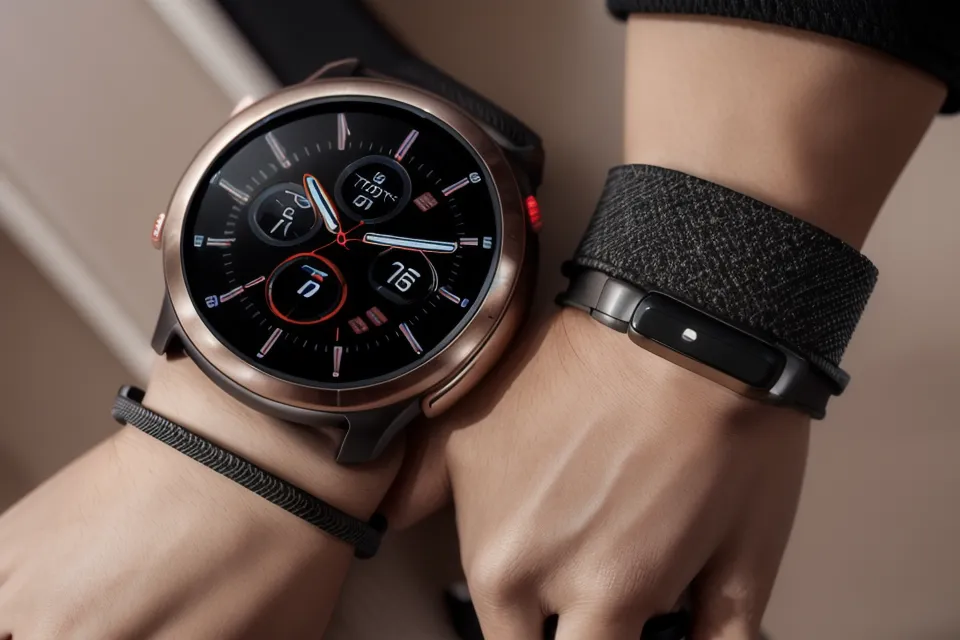
After about ten days of consistent use, my smartwatch started showing a pattern I hadn't seen in years: my resting heart rate was actually dipping in the first half of the night. Usually, in the Georgia summer, my heart rate stays elevated as my body struggles to stay cool. By late August, I was consistently hitting my deep sleep targets even on nights when the AC was struggling to keep up. If you're curious about the nitty-gritty data, you can read my tracking notes on YU SLEEP here. The 60-day money-back guarantee gave me the peace of mind to actually give it the full two weeks it needed to kick in.
The Tradeoff: Topical Gels vs. Oral Supplements
During my testing, I stumbled upon a measurable tradeoff that most generic guides miss. I tried various topical cooling gels that promise instant relief. While those gels provide faster initial relief—perfect for that 'I’m on fire' feeling when you first hit the sheets—they offer much shorter sleep duration compared to oral herbal supplements. The gels wear off in about ninety minutes. Oral supplements, like those containing L-Theanine or holy basil, require longer physiological assimilation time, but they actually help regulate that internal 'bear-running' cortisol all night long.
In my notebook, the nights I used only a cooling gel resulted in a 2 AM wake-up call when the gel evaporated. The nights I stuck with a methodical supplement routine, I stayed under. It’s like the difference between a temporary patch and a system-wide upgrade. You want the system upgrade when the humidity is at 80 percent.
Broadening the Toolkit: SleepLean and ChronoBoost Pro
If you're looking for something that addresses the metabolic side of the heat struggle, SleepLean was a solid runner-up in my testing. I noticed that when I’m overheated, my digestion feels sluggish, and SleepLean seemed to bridge that gap between sleep quality and metabolic recovery. It’s a bit of a premium pick, but for those of us in our 40s whose metabolism isn't what it was during our 'all-nighter' years, it’s a logical choice.
On the other hand, if you’re worried about that morning grogginess that often comes with humid summer nights, ChronoBoost Pro is worth a look. It’s designed more as a three-in-one for sleep, brain function, and daytime energy. Like YU SLEEP, it comes with a 60-day money-back guarantee (starting from the day it arrives), which is basically mandatory in my book. I’m not a fan of supplements that don't give you at least two full sleep cycles—which is about 8 weeks in operations speak—to prove their worth. You can find more of my thoughts on finding natural sleep aids with actual science to back them up if you're the type who needs to see the data first.
Final Verdict: Managing the Internal Climate
I’ve learned that my smartwatch isn't just a gadget for counting steps; it’s a scoreboard for my recovery. Finding the right supplement has finally made my wife stop worrying about my 3 AM pacing around the living room. For those of us in hot, humid climates, we can't just 'will' ourselves to sleep through the heat. We have to manage our internal cortisol levels as methodically as we manage a project budget.
If you’re ready to stop bragging about your sleep deprivation and actually start recovering, I’d suggest starting with a supplement that prioritizes cortisol regulation. Check the current pricing on the vendor's page, as it can change, but the investment in your health is significantly cheaper than the high blood pressure medication my doctor was threatening me with. Good luck out there—stay cool, and keep tracking.
| Product | Rating | |
|---|---|---|
| YU SLEEP Top Pick | 9.2 | Read More → |
| SleepLean | 8.5 | Read More → |
| ChronoBoost Pro | 8.1 | Read More → |
YU SLEEP
Pros
- + Noticeable improvement in sleep depth within the first week
- + Helps lower that 'wired' feeling without using melatonin
- + 60-day money-back guarantee provides a risk-free trial period
Cons
- − Only available for purchase through their official site
- − Requires about 10 days of consistent use for full results