
Two weeks is how long I stuck with an over-the-counter sleep aid before it started making me more nervous than the racing thoughts it was supposed to quiet. Overactive-mind problems do not respond well to brute-force sedation, and reishi mushroom supplements are one of the few natural sleep aids built for that specific kind of stress management — calming the noise without just knocking you out harder.
Quick disclosure before the comparison notes: this site runs on affiliate links, and if you buy through one I get a commission at no extra cost to you. I only write up sleep supplements I have actually logged, night after night, in my own tracking notebook. The reishi-based formula that ended up on top of my rotation is YU SLEEP, and I will explain why below.
The Real Cost of Running on Fumes
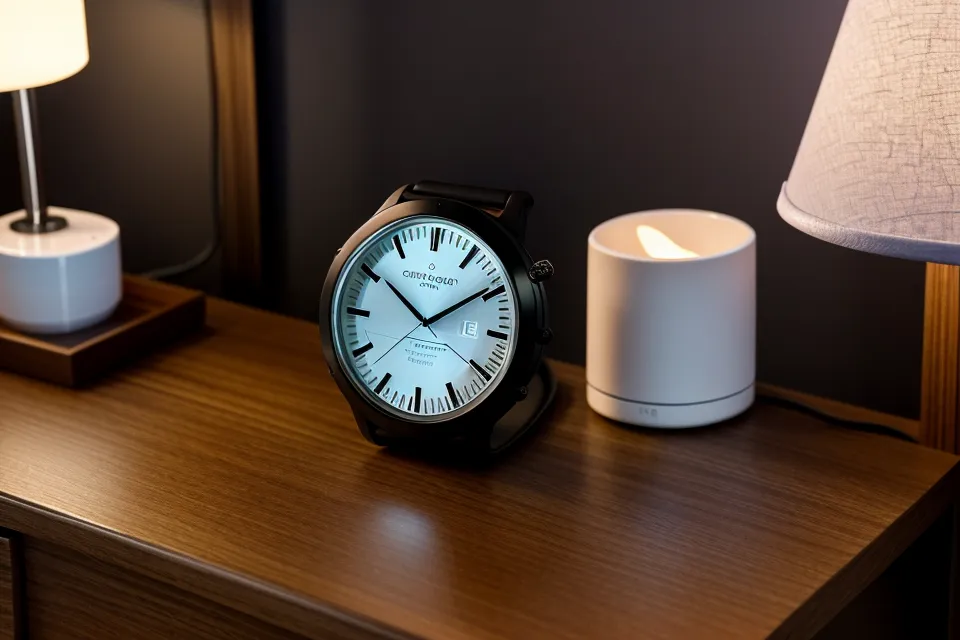
For about fifteen years, I was the guy at the office who bragged about running fine on four or five hours of sleep a night. I treated sleep like overhead you trim when deadlines get tight, which is the same mistake a team makes when it skips the retro because the sprint is already behind. In project terms, that kind of deferred maintenance always comes due. Mine came due when my doctor flatly told me my blood pressure was climbing and my cortisol levels looked like someone being chased by something dangerous.
To be clear, I am not a doctor or a sleep researcher (just an operations manager with a smartwatch and a medicine cabinet that looks like a supplement store had a clearance sale). If chronic insomnia or runaway stress is running your nights, talk to an actual professional before taking anything here as a plan. Don't take advice from the guy who used to treat exhaustion like a leadership trait.
That appointment is what sent me looking at adaptogenic botanicals instead of another round of over-the-counter sedatives. My problem was never really physical exhaustion — I was tired, sure, but my mind kept running production schedules at full speed long after my body wanted to shut down. That is what pushed me toward Ganoderma lucidum, better known as reishi mushroom, right after the ZzzQuil experiment made me nervous enough to look for something I wasn't going to need indefinitely.
My wife is the one who actually flagged it, not me. She noticed I was still parked on the couch well past nine on a Saturday evening, phone in hand, re-running a budget conversation that had ended hours earlier. Even a low-key Saturday afternoon walking around Avalon couldn't shut it off — I'd be mid-conversation with a store clerk and still mentally reorganizing a shipment schedule in the background.
Reishi Doesn't Knock You Out Like a Sedative Does
Here is the misconception I had to unlearn: most people assume every natural sleep aid works by sedating you, the same way a sleeping pill does — hit the system hard enough and the racing thoughts just can't keep up. Reishi doesn't operate that way, and expecting it to feels like judging a scheduling tool by how well it works as a time clock. In my experience it didn't knock me out or leave that wet-concrete feeling the next morning. What it actually did was take some of the edge off the mental noise — the looping, rehearsing, replaying kind of thinking that doesn't care what time it is.
Delivery format seemed to matter more than I expected. I noticed the effect come on differently depending on whether I was taking a tincture or a capsule, though I never bothered working out why, and I would be skeptical of anyone who claims to know precisely. What I can say from the notebook is that some nights I'd surface somewhere in the middle of the night without fully waking, and having the right format on board seemed to decide whether I rolled back over or ended up reviewing quarterly numbers behind closed eyes.
Three Reishi Formulas Worth Tracking

Over several months of logging evening heart rate, wake-up counts, and morning energy ratings, three formulas earned a permanent spot in my rotation, each tackling the overactive-mind problem from a different angle.
1. YU SLEEP — The Best Overall Balance for Racing Thoughts
I moved on to YU SLEEP after plain melatonin left me foggy without actually touching the late-night mental loop — melatonin resets your clock, but it does almost nothing for a mind that won't stop drafting emails. YU SLEEP skips melatonin entirely, pairing calming botanicals with reishi and other functional mushrooms to bring the whole system down a gear.
The dosage follows the label — the same glass of water I've used for a magnesium dose for months now, chalky bitterness and all, taken roughly an hour before lights-out. The shift wasn't dramatic on day one, and it built gradually rather than flipping a switch, which lines up with the product's own note that results vary person to person. Once it kicked in, my evenings felt less like a shift change at a 24-hour warehouse. My wake-ups read clearer on the smartwatch too, without the grogginess melatonin left behind.
It comes with a 60-day money-back guarantee, which gave me enough room to actually trust my own tracking data instead of guessing. It's only sold through the official site, and it sits toward the premium end of what's out there, but for untangling mental static at bedtime, it's become my benchmark.
2. SleepLean — For Nighttime Tension and Late-Night Stress Snacking
I tested SleepLean next. My version of stress doesn't just spin up my thoughts. It sends me to the pantry around midnight hunting for carbs to blunt the cortisol spike. SleepLean pairs relaxation ingredients with metabolic support, aiming at both the mental loop and the fridge-raiding.
It runs a higher-dose formulation, and I noticed it physically loosen up my shoulders and jaw after long days on the warehouse floor in a way the others didn't quite match. The dual angle — sleep plus metabolism — won't matter to everyone who just wants their brain to go quiet, and it sits at the more expensive end of this list. For the full side-by-side, I wrote up My Smartwatch Notes: Why YU SLEEP Finally Quietly Replaced My Late-Night Supplement Stash.
3. ChronoBoost Pro — Broad Daytime and Deep Sleep Support
A guy I know from a local wellness forum, Barrington, mentioned ChronoBoost Pro to me probably three months before I actually got around to trying it myself — he's reliably ahead of whatever I'm about to discover. It's built as a three-in-one blend covering nighttime sleep depth, cognitive focus, and daytime stamina, stimulant-free, non-habit-forming, no unnecessary coating. For someone who was starting to wonder if every so-called natural option was secretly just melatonin in a new bottle, the non-habit-forming claim mattered more than it probably should have.
The steady daytime-calm side kept my baseline manageable during the mid-afternoon operational chaos that used to wind me right back up before bedtime. The full breakdown is in my Best ChronoBoost Pro Review: Does It Improve Deep Sleep Patterns?, including the multi-bottle options — the per-bottle cost drops noticeably if you commit to their larger supply tier, though exact pricing is best confirmed on their order page.
What Does Sleep Efficiency Actually Mean?
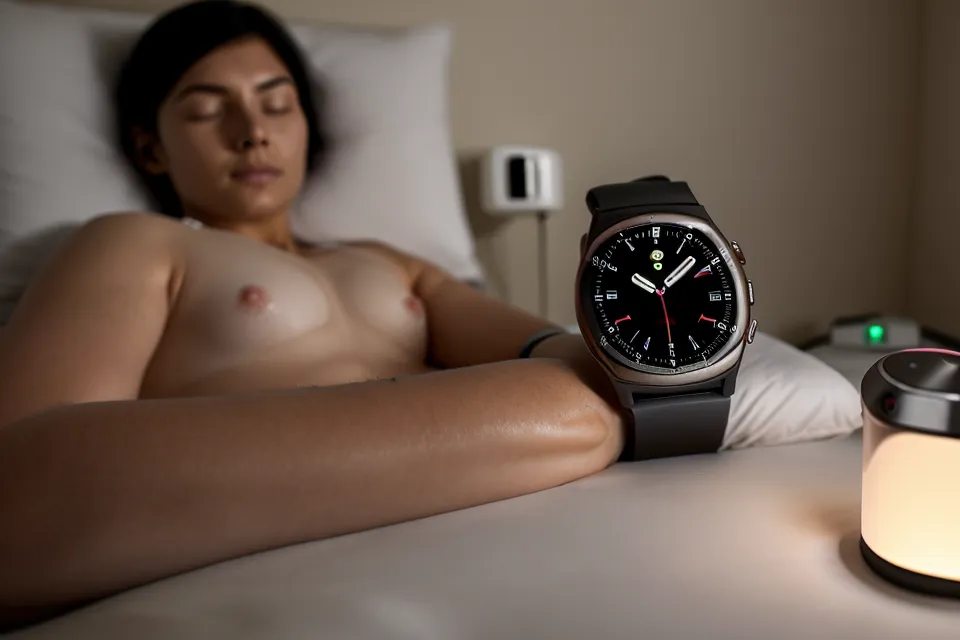
Here is a second misconception worth correcting while I have the notebook open: more hours doesn't automatically mean better sleep. Across my tracking window, the real shift wasn't suddenly logging ten hours a night — it was sleep efficiency, the ratio of time actually asleep versus time spent lying there mid-wake. My totals moved from an erratic four or five hours up to something closer to a steady seven, but the bigger change was how much less time I spent awake in the middle of the night without really being awake.
My friend Jerome, who I met years back in a Facebook group for people who take their sleep trackers way too seriously, pushed back hard when I first shared this pattern with him. He pointed out I was comparing weekday numbers to weekend numbers without separating them, which was annoyingly — and correctly — skewing my baseline. Once I split the data the way he suggested, the reishi-related improvement held up on its own, not just as a side effect of sleeping in on Saturdays.
If you're chasing a different flavor of nighttime overthinking, I've also logged Best Holy Basil Supplements for Calming a High Stress Mind. But for general overstimulation without the next-day fog, reishi-anchored formulas consistently produced the cleanest wake-up readings in my notebook.
Final Thoughts: Finding an Off-Switch That Works
My wife still gives my little row of amber supplement bottles a look every so often. She's asleep forty seconds after her head hits the pillow, so managing an overactive nervous system probably looks like unnecessary process to her. But anyone who has ever stared at the clock at three in the morning, running through a mental checklist that can't actually be solved at that hour, knows exactly why an off-switch matters.
You can't sprint your way out of chronic sleep debt. It takes a steady, deliberate reduction in nervous-system tension, not one heroic weekend of lying in bed longer. If you want a clean, non-melatonin formula to start with, YU SLEEP is where I'd point you first.
| Product | Rating | |
|---|---|---|
| YU SLEEP Top Pick | 9.2 | Read More → |
| SleepLean | 8.5 | Read More → |
| ChronoBoost Pro | 8.1 | Read More → |
YU SLEEP
Pros
- + Noticeable improvement within the first week
- + Natural ingredients without melatonin dependency
- + 60-day money-back guarantee
- + No morning mental fog or grogginess
Cons
- − Only available on official website
- − Took me about ten days to notice full calming effects