Two weeks of ZzzQuil got me sleeping again, and two weeks of ZzzQuil got me nervous enough to quit — that's the gap between a fix that works and a fix you can build a system around. Tart cherry extract turned out to sit in the second category: a natural melatonin alternative I could take on a fixed schedule instead of reaching for it like a bandage, and once I started lining it up against my nightly sleep-tracking data, the closest thing to a real natural-recovery habit I'd found. This isn't a pitch for cherries as medicine. It's the process I used to decide whether a supplement this simple earned a permanent spot on the shelf, and what the numbers actually showed once I stopped guessing.
The Case for Montmorency Tart Cherry Over Any Other Kind
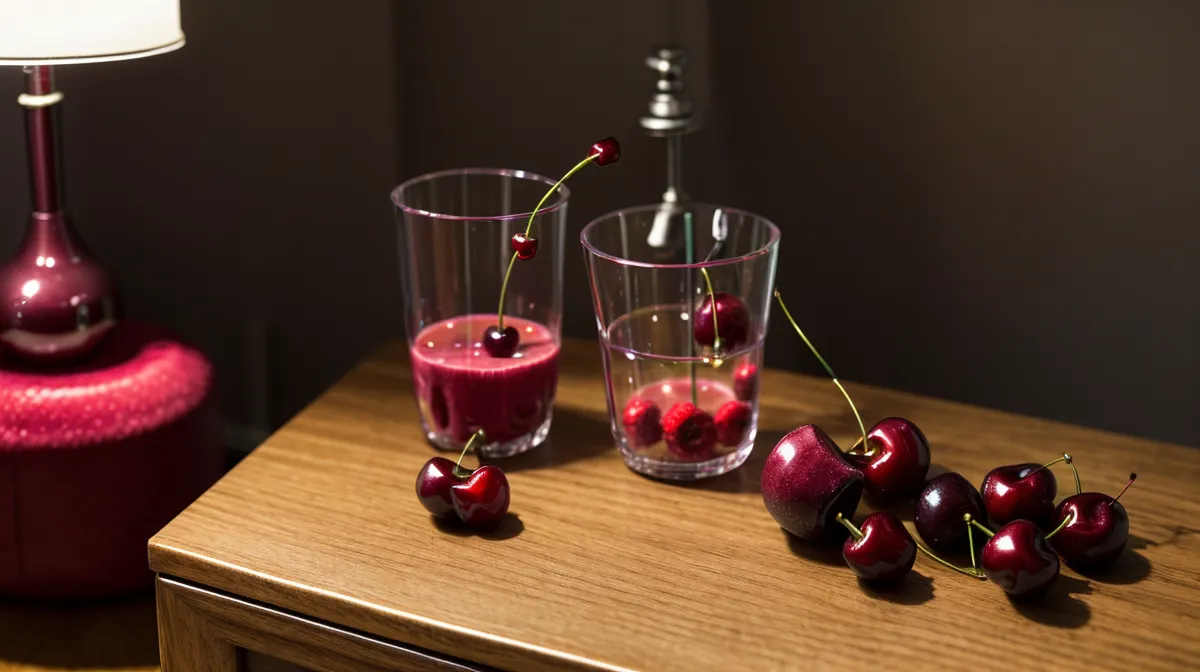
Not every cherry does the job, and that trips people up more than it should. Sweet cherries — the kind sold by the pound at a grocery store — aren't the ones anyone means when they bring up tart cherry for sleep. The variety that matters is Montmorency cherry, a sour cultivar that's behind most of the research connecting cherries and sleep at all. What that research actually says is fairly narrow: Montmorency tart cherries contain melatonin, tryptophan, and anthocyanins, and regular consumption has been linked in clinical studies to longer total sleep time and better sleep efficiency, likely because the compounds support the body's own melatonin production rather than replacing it outright. That distinction mattered to me. A supplement that nudges a system I already have running is a different bet than one that overrides it, and it's part of why tart cherry never left me feeling drugged the next morning the way ZzzQuil did.
How Do You Know the Dose Is Actually Doing Something?
This is the part that's easy to fake yourself out on. Feeling a little calmer after taking something doesn't mean much by itself; plenty of things feel calming for an hour and change nothing structural about how you sleep. What convinced me tart cherry was doing something wasn't one great night. It was decoding my smartwatch sleep data over a stretch where nothing else in my routine had changed, and watching the same shift show up three separate mornings: resting heart rate sitting four beats below its rolling average, which on a device that's usually stubborn about moving at all is not nothing. Sleep-tracking numbers are blunt about a lot of things, but they're honest about trends even when they're vague about causes, and a pattern that holds across multiple mornings is worth more than any single "best sleep of the week" notification.
A friend I know from a sleep-tracker forum, Jerome Faulkner, is the one who pointed out the obvious hole in treating any of that as proof by itself: four beats on a resting heart rate reading could just as easily be a lighter week at the office, and he's usually annoying about being right when he says things like that. So the actual standard I settled on was consistency over time, not any single reading. The pattern had to hold across a week without the supplement and disappear again once I restarted, not just whether one morning happened to look good.
Timing Determines Whether Tart Cherry Helps or Backfires
Take tart cherry at the wrong point in the day and it stops being useful. I found that out after a loop around Inman Park one evening left me feeling more wired than usual, and I decided a dose might take the edge off — hours before I actually wanted to be asleep. Instead of calm, I got a heavy, foggy stretch in the late afternoon that had nothing to do with bedtime, followed by a normal night that felt harder to fall into than it should have. It's less about circadian rhythm science, which I'll leave to people with more letters after their name, and more about not fighting my own schedule. The timing that's worked consistently for me sits close to when I actually want to be asleep, not whenever I happen to feel keyed up. It also didn't do anything for a separate problem I'd already chased down elsewhere — which one stopped my 3 AM ceiling staring turned out to be its own question with its own answer — but it changed how easily I got to sleep in the first place.
Reading the Bottle Before You Trust the Marketing
Every bottle claims to be the good kind, so the label is where the real decision gets made. I got into the habit of unfolding the fine print under my desk lamp and actually reading the third-party testing section instead of skimming past it. The small paper crinkle used to annoy my wife when I did this at eleven at night. Montmorency needs to be named specifically, not buried under something vague like "tart cherry blend," and a supplement that won't say where its testing came from isn't one I trust with something as basic as what I put in my body every night. I picked up that habit partly from Barrington Chukwu, someone I met through a local wellness forum, who'd already tried three different brands by the time I asked him which one he trusted — he's usually testing whatever's new well before it crosses my radar.
Put together, tart cherry earned its spot for a specific set of reasons: the variety has to be Montmorency, the timing has to land close to actual bedtime instead of whenever the day feels heavy, and the only evidence worth trusting is a pattern across several nights of tracking data, not one good one. I still think of unresolved sleep debt the way I think of a project backlog. You don't sprint your way out of years of it in a single week — and tart cherry isn't a fix for the backlog itself, just a decent maintenance habit against it. I spent years treating a four-hour night like a badge of honor, so there's something humbling about admitting the improvement came down to sour fruit extract and a shelf of bottles my wife still rolls her eyes at. It's not a replacement for figuring out why sleep fell apart in the first place, and it won't undo whatever's driving stress during the day. But as a low-risk, non-habit-forming piece of the routine, one that didn't leave me foggy the way a bottle of ZzzQuil did, it's held up better than most things I've tried.